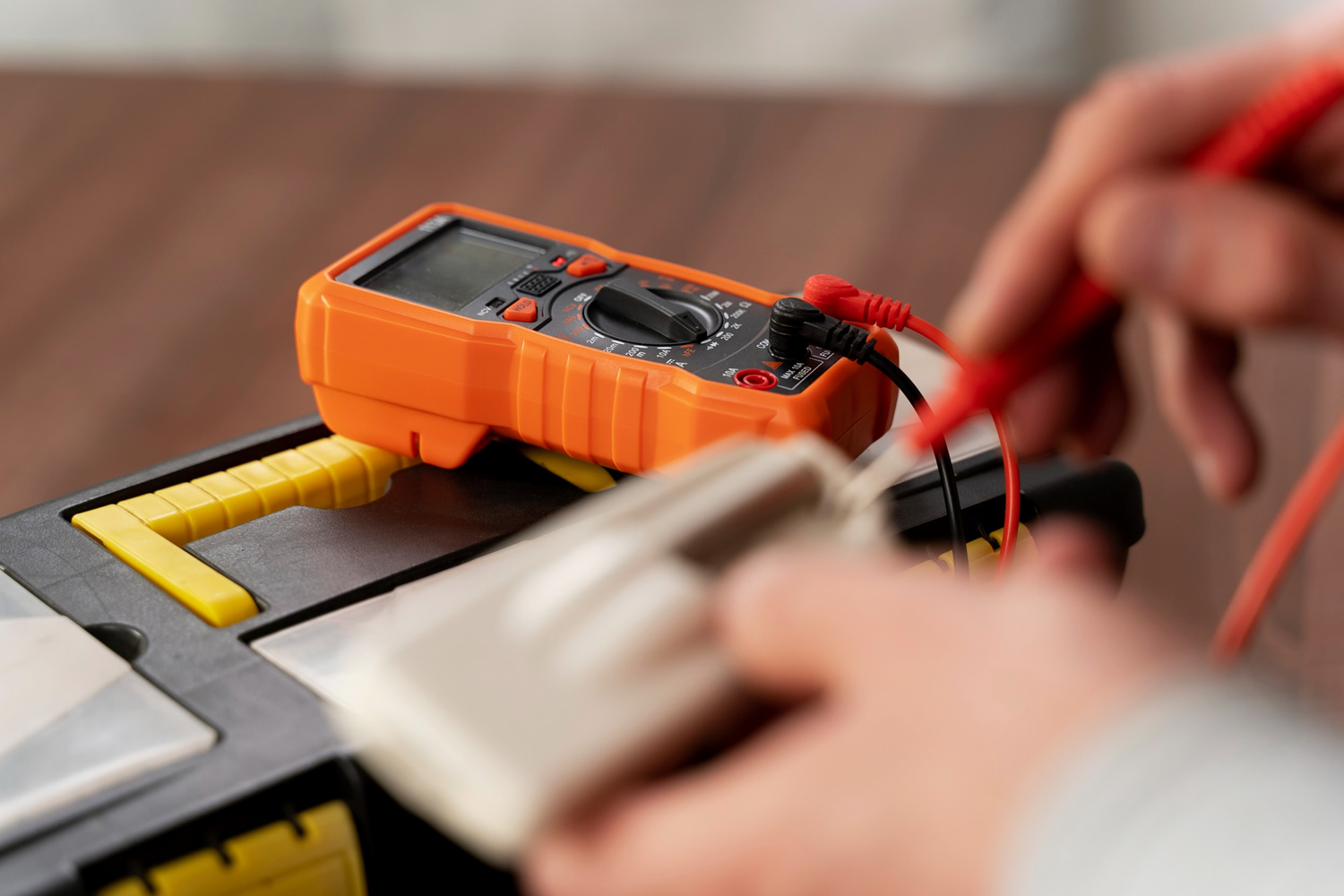
In industries ranging from power electronics and aerospace to research labs and industrial automation, accurate measurement is not just desirable — it’s essential. Whether you’re monitoring electrical currents or characterizing magnetic fields, reliable instrumentation ensures better performance, safe operations, and confident decision-making. That’s where professional calibration services come in
Understanding Calibration: The Heart of Trusted Measurement
Before diving into specific services, let’s clarify what calibration means. At its core, calibration is the process of comparing an instrument’s output against a known reference or standard to determine and correct deviations in its readings. This ensures that the instrument continues to provide measurements that faithfully represent the real physical quantity being measured.
Accurate calibration helps you
Maintain measurement confidence — reducing the risk of misinterpretation or false alarms.
Comply with quality standards — especially in regulated industries that require traceable measurement results.
Extend equipment life — early detection of drift or fault conditions can prompt maintenance before critical failures occur.
With calibration services tailored for both current measurement and magnetic field instruments, facilities can ensure that their systems deliver precision when it matters most.
AC & DC Current Transducer Calibration: Measuring What Matters
Current transducers convert the current flowing through a circuit into a measurable signal that instruments can read and analyze. They are ubiquitous in electrical systems — from energy automation to advanced scientific applications — and are essential for monitoring both alternating current (AC) and direct current (DC).
Why Calibrate Current Transducers?
Over time, even the most robust current transducers can drift due to temperature fluctuations, aging components, magnetic saturation, or mechanical stress. Without calibration, this drift can introduce significant measurement errors that compromise control systems or lead to inaccurate data.
Final Thoughts
Accurate measurement is a foundation of engineering, research, and industry. Without it, data integrity and operational confidence suffer. Whether you’re managing complex electrical systems or tracking magnetic fields with precision sensors, calibration services provide traceable, repeatable, and documented assurance of instrument performance.
Investing in professional calibration is an investment in quality, safety, and performance — making your measurements as dependable as the technologies they support.